Explore tick control services
 01
Yard Tick Treatment
A treatment aimed at the shady edges, shrub beds and paths where ticks wait, usually in spring and again in early fall.
Explore this service 02
Perimeter Barrier Spray
Treats the border where lawn meets woods, stone walls and brush, so fewer ticks reach the places you use.
Explore this service 03
Tick Tubes
Mice carry treated cotton back to their nests, which cuts the young ticks that feed on them. Works best alongside yard treatment.
Explore this service 04
Habitat Changes
Leaf cleanup, shorter grass, a wood-chip strip by the woods and less deer traffic. The longest-lasting part of tick control.
Explore this serviceWhy do ticks keep coming back?
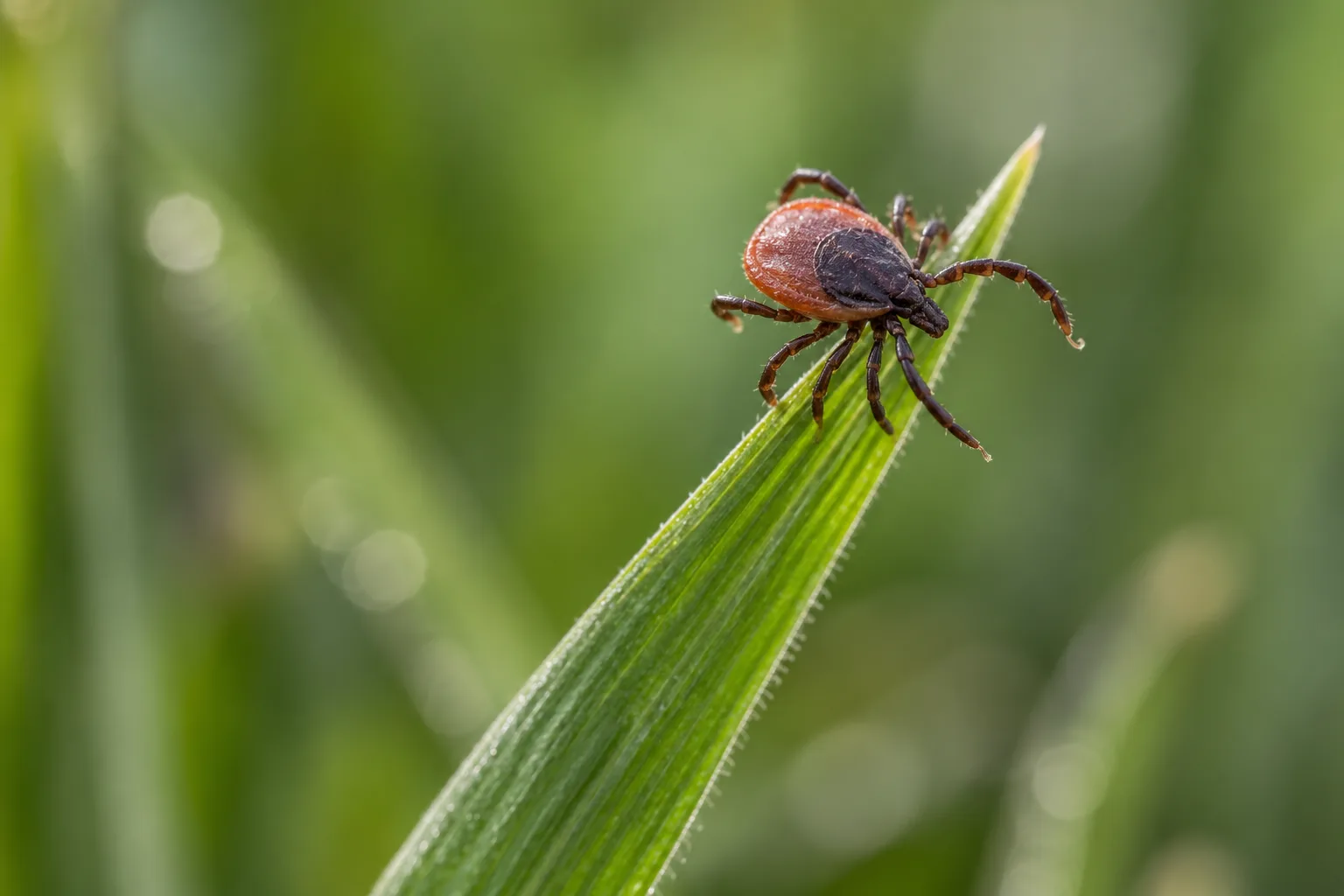
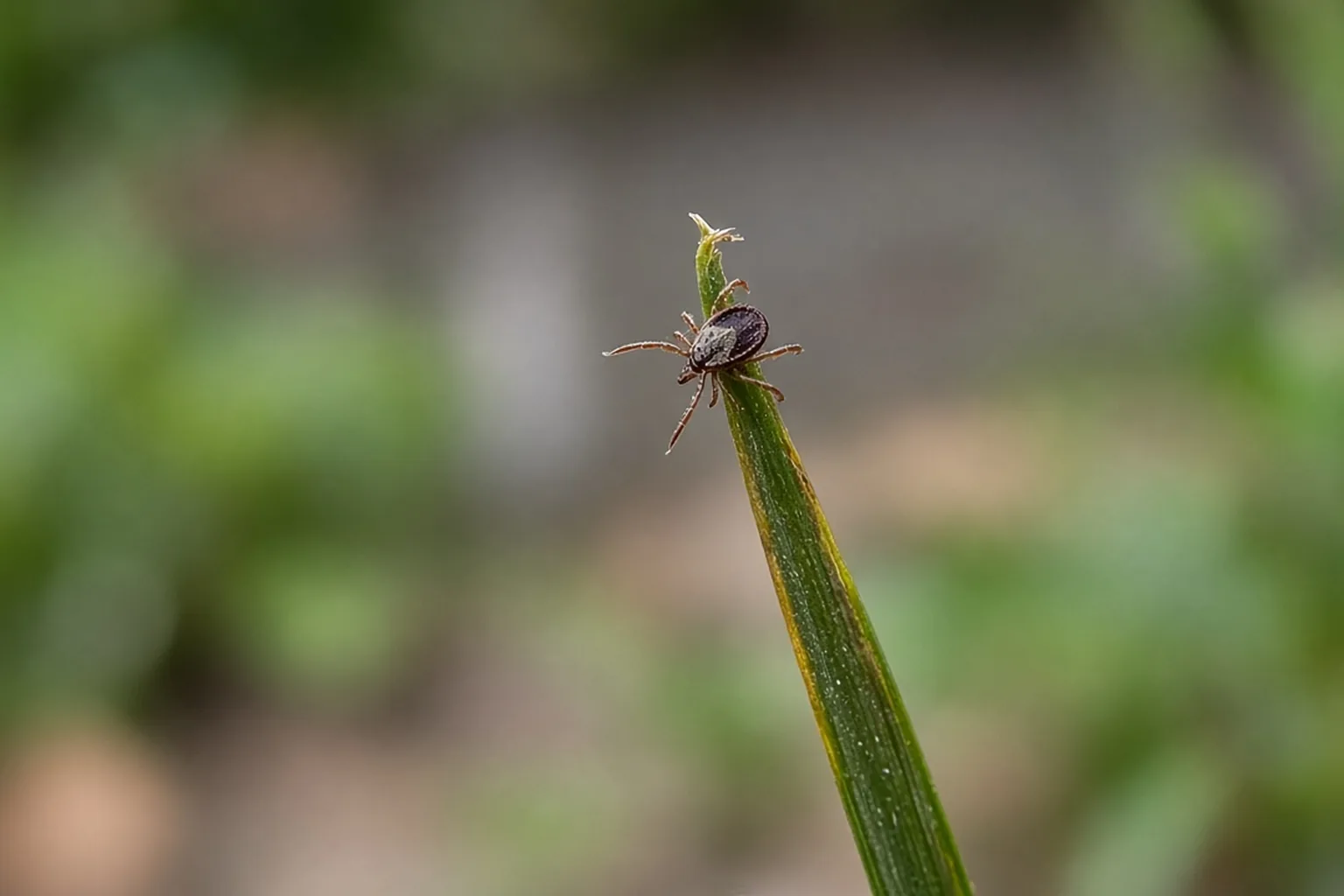
Most ticks don't live in the middle of your lawn. They wait in leaf litter, tall grass and brush along the edges of the yard, and grab onto whoever brushes past. That's why the yard's edges, stone walls and wood piles get most of the attention.
Good tick control mixes simple yard work with targeted treatment: mowing, clearing leaves, a wood-chip strip where lawn meets woods, and a treatment of the edges in spring and early fall. Tick checks, repellent and vet-approved pet prevention fill the gaps.
Below you'll find where ticks hide, when they're most active, how to remove one safely and what a yard program usually costs. When you're ready, ask about a treatment or a quote.
What kind of tick problem are you seeing?
Ticks on pets after walks
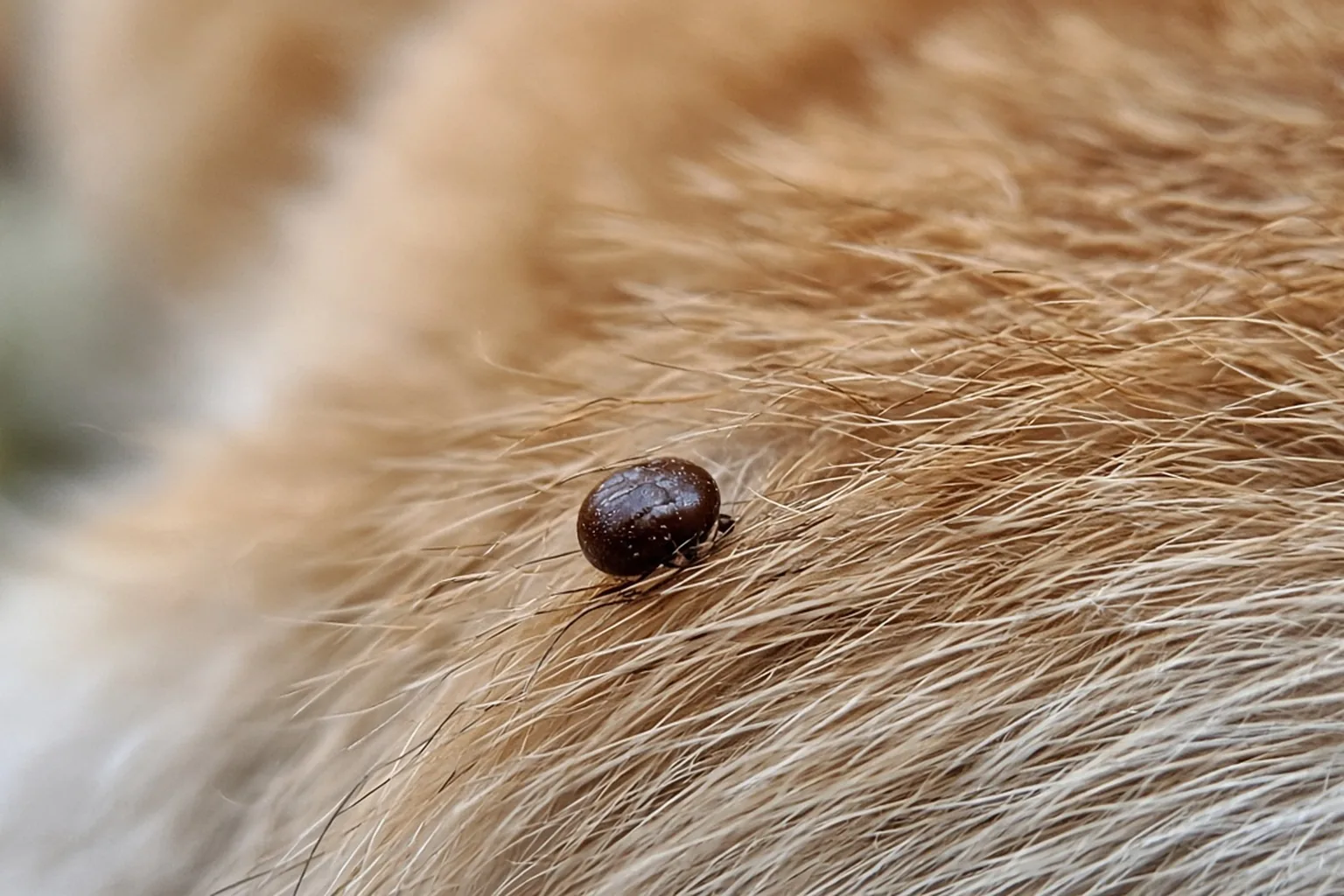
Check ears, neck, armpits and between the toes. Finding them often means the yard's edges or a favorite path is a hot spot.
Ticks on people after yard work
Check behind the knees, at the waistline and along the hairline. Young ticks can be as small as a poppy seed.
Shady, leafy yard edges
Leaf piles, tall grass, stone walls and woodpiles near play areas are where ticks wait for a host.
What should you ask before booking?
Ask what the visit includes, how much it costs, and whether a follow-up is included. It’s also helpful to know what you’ll need to do before treatment and when you can use the area again.
Have children or pets at home? Mention them when discussing treatment. For a business, let the company know your opening hours so you can talk about a convenient time to visit.
How tick activity changes through the year
- Spring: Adult ticks are out first, then tiny nymphs by late spring. A good time for the first yard treatment.
- Summer: Nymph season peaks, and that's when most Lyme infections happen. Daily tick checks matter most now.
- Fall: Adult ticks return as the weather cools. Clear leaves and treat the edges again.
- Winter: Ticks slow down, but they can be out on any mild day above freezing.
Keep exploring your options
- Yard Tick Treatment — Property-specific yard treatment focused on confirmed habitat and exposure areas. Products, timing, and residual performance depend on the label and the property.
- Perimeter Barrier Spray — Create a tick-free zone by treating the yard perimeter, wooded edges, stone walls, and other tick habitat.
- Tick Tubes — Biodegradable tubes filled with permethrin-treated cotton — mice take it for nesting, killing ticks on contact.
- Habitat Modification — Reduce tick habitat: clear leaf litter, trim tall grass, create gravel barriers, and manage deer attractants.
- Contact and quote request — ask a question or request a quote.